
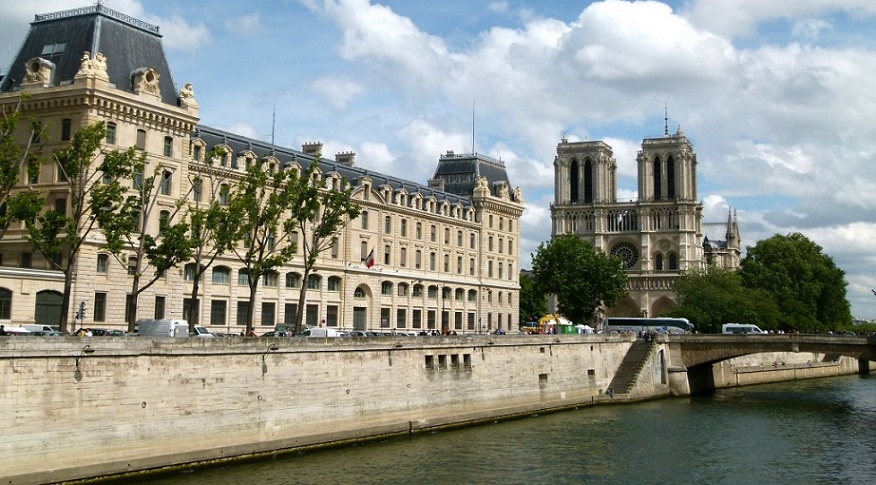


Study In the FRANCE

STUDY IN THE FRANCE

Study in France offers international students world-class education, a vibrant lifestyle, and distinct career opportunities in the heart of Europe. Renowned for its rich cultural heritage, culinary arts, and highly innovative institutions like the Grandes Écoles, France provides a perfect balance of historic academic excellence and modern, practical research. Students benefit from an international community, hundreds of English-taught programs, and a direct gateway to the broader European job market.

Top Universities We Work With

We connect you with trusted universities across top study destinations, ensuring the right fit for your future.

Study Programs & Fields

Program TypeDuration
Foundation / Pathway Programs
Pass-World / Academic Preparation
6–12 months
Bachelor’s Degrees
Licence / BBA structures
3–4 years
Master’s Degrees
MSc / Grande École pathways
1–2 years
Doctoral Programs
PhD research frameworks
3–4 years
Short-Cycle Technical Degrees
BUT / BTS certifications
2–3 years
French Language Preparation Programs
FLE immersive context tracks
1 semester–1 year

Admission & Visa

Admission requirements for France depend on the university and degree level, but typically require:Academic transcripts and diplomas (translated into English or French).Proof of English proficiency (IELTS, PTE, or Duolingo) for English-medium tracks.A well-crafted Statement of Purpose (SOP) and 2 letters of recommendation.An updated CV and portfolio (primarily for design, business, or architecture tracks).Visa Pathway: Non-EU students must apply for a Long-Stay Student Visa (VLS-TS), usually via the Études en France (Campus France) platform. Once you receive your official university acceptance letter, you must submit proof of accommodation for the first three months, valid health insurance, and meet strict financial self-sufficiency thresholds to secure the visa

Costs & Work (OPT)

Public universities in Germany charge €0 tuition, requiring only a small semester fee (€150–€400) that includes free public transit. To cover accommodation, food, and mandatory health insurance (€120/month), the government requires visa applicants to prove living funds of €992 per month (€11,904/year) via a blocked account. To offset these costs, international students can work part-time up to 140 full days per year (20 hours/week), with earnings up to €538/month being entirely tax-free under the "Mini-Job" system. After graduation, Germany grants an 18-month post-study visa to live and work full-time while launching your international career.

Begin Your Study Abroad Journey with Expert Guidance

Submit your details below, and our experienced counselors will help you select the best university and program in the USA.

FAQ

Yes, there are thousands of fully English-taught Bachelor’s and Master’s programs available across France, especially in Business, Engineering, and Science fields. However, learning basic conversational French is highly recommended for daily life and expanding your part-time employment options.

To secure your student visa, the French immigration authorities require proof of financial solvency. This means demonstrating access to a minimum of €615 per month, which equates to roughly €7,380 for a full academic year. This can be proven via personal bank statements, an official sponsor’s financial guarantee, or a scholarship letter.

No. Mandatory internships integrated into your university curriculum do not require a separate work permit. They are legally covered by a student contract called a convention de stage and do not count against your annual 964-hour part-time work limit. Furthermore, any internship in France lasting longer than two months is legally required to pay you a minimum stipend.